Think of England Film Review
Think of England, the new British indie WWII drama‑thriller from BAFTA‑nominated writer‑director Richard Hawkins, is inspired by the rumour that the British government once commissioned pornographic films to boost troop morale. What begins as a bizarre assignment quickly becomes a tense study of power, coercion, and the psychological toll of war. We caught it at Raindance Film Festival, where it screens following premieres at Glasgow and Manchester, ahead of a wider release later in 2026.
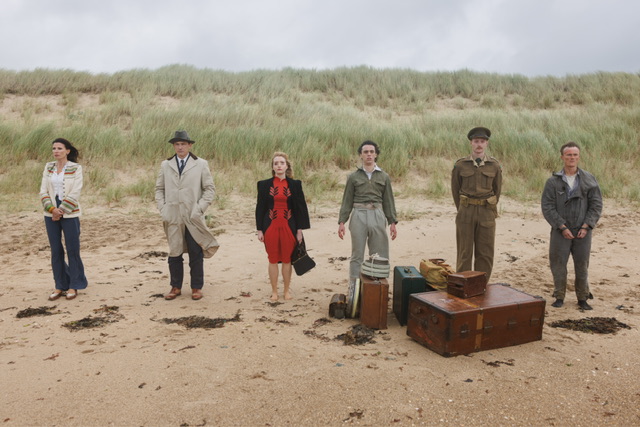
Set over a handful of days in the summer of 1943 on a remote island in Orkney, the film follows six people selected for their “skills”: former German Expressionist director Max Meyer (Ben Bela Böhm), aspiring actress Holly Spurring (Natalie Quarry), Corporal Evans (Jack Bandeira), and Captain Anthony Clune (Olivier Award‑winner John McCrea), who is desperately trying to keep the production on schedule. They’re joined by makeup artist Agnes (Ronni Ancona) and her son (Ollie Maddigan, in his first feature film). Each has more than a job riding on this assignment they were coerced into — and if even one person fails to uphold their end of the deal, the consequences fall on all of them.
The film opens a little clunkily as it introduces its ensemble, but once the group settles into their strange new reality, the tension tightens. Bandeira’s Evans is unnerving from the outset — wide‑eyed, unpredictable, and spiralling into a loss of control. In the Q&A, he spoke about finding the humanity beneath the character’s unlikeability, and that nuance shows. Quarry (best known for her role in Call The Midwife) is equally compelling, playing Holly as defensive yet vulnerable, navigating a role that demands nudity and exposes the power dynamics around her. She described drawing on her own conflicting emotions during the four‑week shoot, and that mirroring gives her performance a rawness that lingers. Ancona’s Agnes is a pragmatic woman who understands exactly how little power she holds and uses the limited tools available to her, adding another layer to the film’s exploration of power and survival. Maddigan, meanwhile, shared that he — like his character — was simply excited to be part of the film.
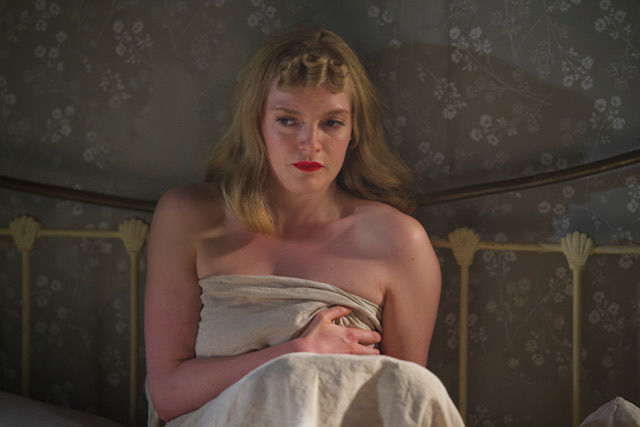
Director of photography Sarah Cunningham spoke about how 1940s films used slower stock and harsh, directional lighting, and she followed those principles here, creating deep shadows and a period‑appropriate palette that anchors the film in its era. The isolation of the Anglesey landscapes (standing in for Orkney) mirrors the characters’ emotional isolation, while the costumes — muted greens, greys, navy, and vivid scarlet — stay true to the period.
A jaunty jazz soundtrack places the film firmly in its time, heightening the contrast between its upbeat rhythms and the darker themes unfolding on screen. Violence and the threat of war permeate everything. One particularly haunting scene involves a character opening a letter about their family—a reminder that the war’s reach is inescapable, even on this remote island.
Hawkins spoke about cinema chronicling sexual and moral shifts over time, and the film asks us to consider who draws society’s boundaries, who enforces them, and how war distorts them. It examines social norms, homophobia, institutional misogyny, the ethics of propaganda, and the power dynamics embedded in filmmaking itself, though a little more background on some characters would have enriched the emotional stakes.
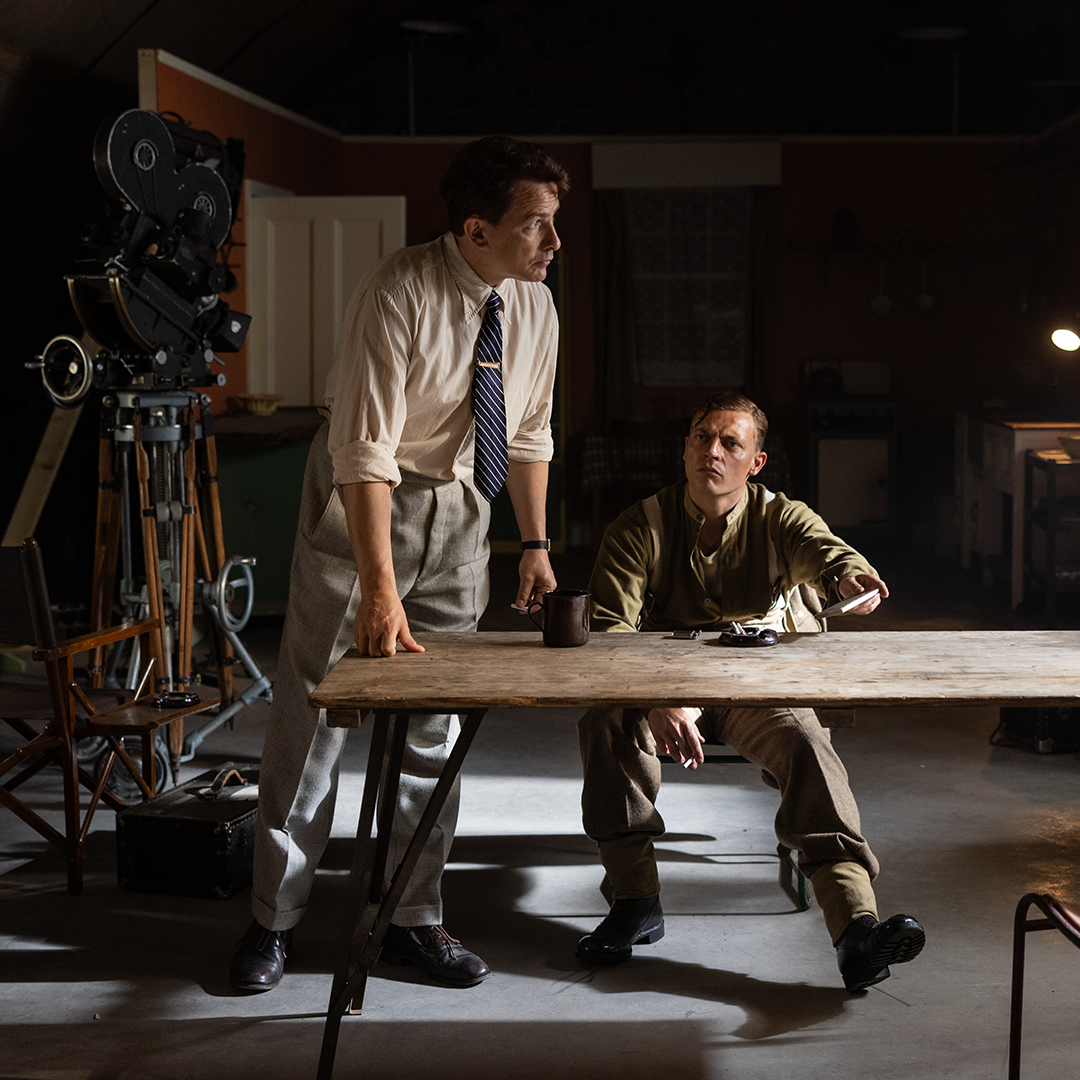
Produced by father‑daughter duo Nick and Poppy O’Hagan for Giant Films, Think of England is a film that unsettles and surprises, and one whose themes of coercion, complicity, and sexual assault felt painfully current.
Raindance Film Festival brings the very best of worldwide independent cinema to its 34th year, running from 17–26 June and showcasing over 80 feature films, 10 shorts programmes, and filmmakers from 46 countries. For further information see the official website.
Think of England: https://thinkofengland.co.uk
Raindance Film Festival: https://raindance.org