London’s Hybrid Culture: Where Offline Meets Online
London has always thrived on shared spaces. From the hush before a West End curtain rises to the roar at Epsom, the city has long defined itself by moments lived together. Yet today, those moments are rarely confined to the room or the racetrack. Theatres are streamed into living rooms, pub quizzes spill across Zoom calls, and even Ascot’s betting slips have a digital twin. Being “there” increasingly means being in two places at once. London is living in a hybrid state, where offline tradition and online extension coexist.
Horse racing offers a vivid glimpse of this shift. Royal Ascot remains one of the city’s most glamorous social occasions, yet many now follow the races remotely. Streams deliver the spectacle to laptops and phones, while horse racing betting sites UK players can access provide competitive odds, in-play markets, and UK-licensed security. What was once the preserve of a trackside crowd now includes a digital audience thousands strong. The effect is double-edged. For some, checking odds on a screen while hearing the thud of hooves enhances the excitement, layering data and immediacy on top of tradition. For others, it fragments attention, turning a communal buzz into a multi-screen juggle of stats, bets, and live video.
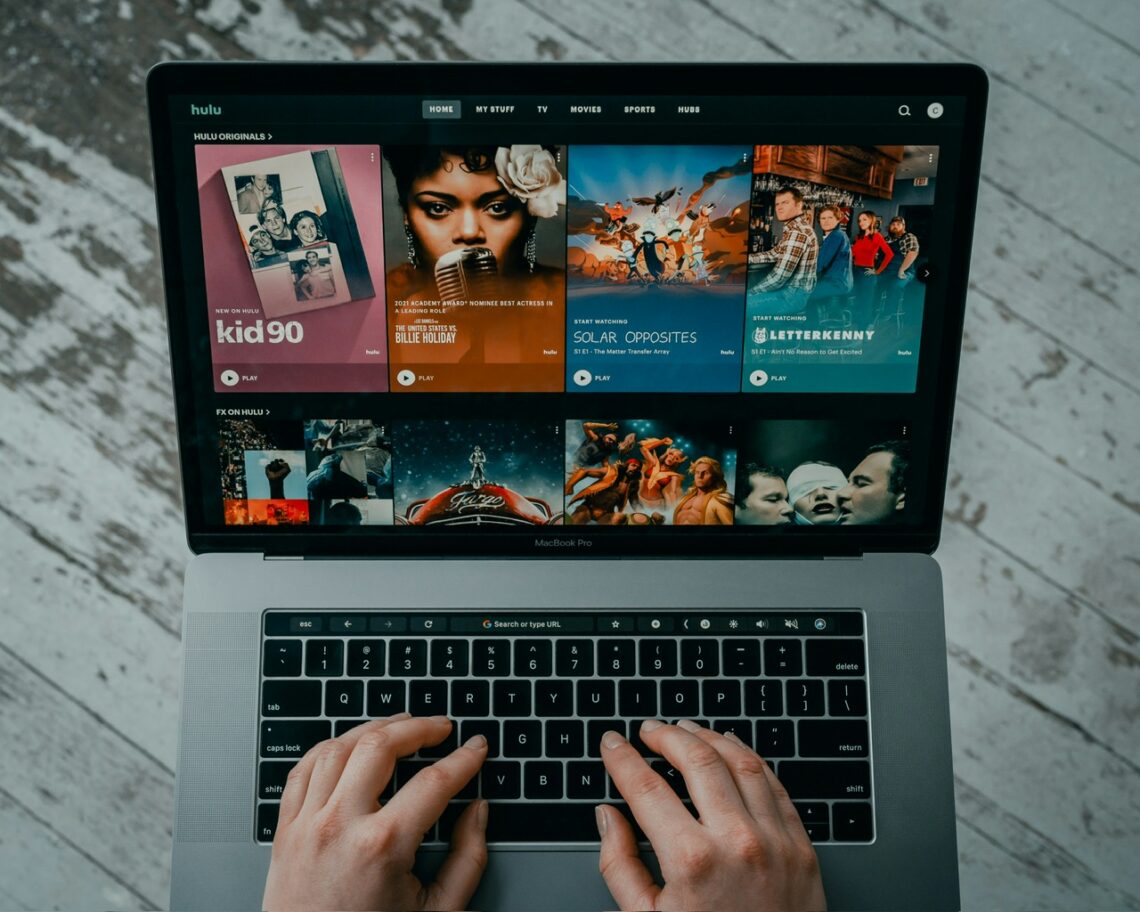
Theatre has been transformed in similar ways. The National Theatre’s At Home service, launched in 2020, has become a permanent arm of its programming. A 2025 National Theatre report noted that digital subscriptions grew by around 12% year-on-year, with affordability the main reason audiences signed up. Watching a production streamed into your living room is not the same as sitting in the stalls, but it creates new rituals: audience live-chats, social media threads, and the ability to pause and rewind. The theatre no longer ends when the curtain falls.
Even pub quizzes, once firmly local, now have digital companions. Hybrid quizzes allow friends in Shoreditch and Shepherd’s Bush to play on the same team, swapping banter via headsets rather than bar stools. Organisers reach larger audiences, while the sense of community, once tied to a postcode, extends across boroughs or even continents.
Hybrid Culture Across the City
London’s cultural venues increasingly treat digital access as essential. Ronnie Scott’s has experimented with livestreamed jazz sets, keeping the music alive for global fans. Frieze London and the London Art Fair now run parallel “viewing rooms” online, giving collectors first looks at art before seeing it in person.
This reflects wider national shifts. Ofcom’s Media Nations 2025report revealed that UK adults now spend more time watching streamed content than broadcast TV, with 16–24s averaging just 17 minutes a day on traditional channels. For cultural organisations, hybrid engagement isn’t a luxury. It’s survival.
Festivals have adopted similar models. The London Film Festival offers online screenings alongside its Leicester Square premieres, while pop-up exhibitions increasingly provide VR tours or recorded artist Q&As. These aren’t mere digital add-ons; they reshape how audiences plan their experiences, often mixing live attendance with digital follow-ups.
Work, Economics and Everyday Hybrid
Hybrid culture extends far beyond leisure. The professional life of London now operates in mixed mode. The Greater London Authority notes that hybrid working remains dominant across many industries, with most workers splitting time between home and office. The impact is visible in the economy: weekday footfall in the Central Activities Zone has dropped compared with pre-pandemic levels, affecting central pubs and retailers. By contrast, neighbourhood cafés in Hackney or Peckham now enjoy midweek surges of laptop workers.
Cultural economics reveal similar tensions. A streamed theatre subscription generates far less revenue than a single West End ticket, yet it reaches a global audience, creating new markets. Art fairs earn prestige and online exposure from virtual viewing rooms, but rely on in-person collectors for sales. For betting, digital channels widen reach but also demand investment in regulation and technology to maintain trust. The hybrid model grows audiences, but it also forces recalculations about how value is measured.
Resistance and Counter-Movements
Not all Londoners embrace hybridity. The Offline Club hosts phone-free nights where attendees play board games or simply chat without digital interruption. Some artist collectives in Hackney and South London now stage “no-stream” performances, banning recordings to protect the intimacy of live art. Comedy clubs have experimented with lock-in gigs where phones are bagged at the door. These movements are small but telling: for many, the value of culture lies precisely in its unmediated, ephemeral presence.
This resistance highlights hybridity’s double bind. Digital access extends traditions, but it can also dilute them. The question for London’s future is not whether hybrid models will persist, they will, but how balance will be struck between the physical and the digital.
Hybrid is not simply “digital.” It is the interplay of physical and online, often within the same moment. Ascot’s electronic betting terminals let punters place bets digitally while standing at the track. National Theatre audiences may see a play live, then stream it again online for reflection. A pub quiz might start in a bar, then spill into a follow-up online league. True hybridity is about layering, not replacing.
Technology itself is also becoming an actor, not just a stagehand. Algorithms recommend shows, betting platforms surface personalised odds, and AI tools shape feeds of cultural content. These systems don’t just deliver London’s hybrid culture, they help decide which parts of it thrive.
London’s culture has never stood still. Hybrid models are simply its latest reinvention. They expand access, create new rituals, and reshape the city’s economy, while also sparking resistance from those who treasure undiluted presence. They close some gaps, making theatre more affordable, or allowing fans outside the capital to follow Ascot, while opening others, from digital literacy to device costs. To live in London today is to toggle constantly between the offline and online, to clap in the theatre and later rewatch on demand, to cheer at the races while tracking odds on a phone. In a city that thrives on reinvention, hybridity is not a compromise but a new expression of belonging.