London’s Cashless Lifestyle Is Changing How People Spend
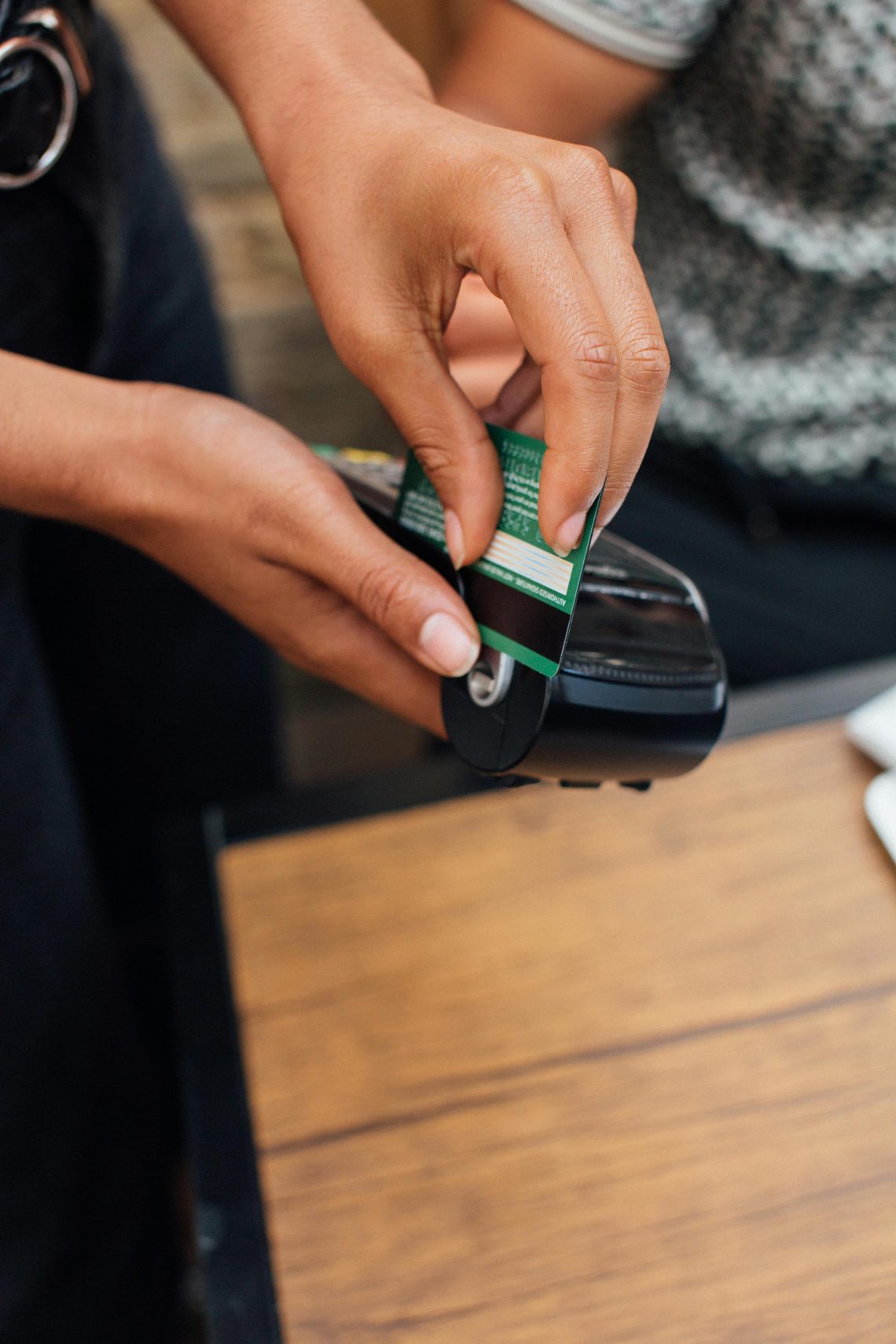
Walk through any London neighbourhood on a Saturday morning, and you’ll notice something missing: the rustle of notes, the clink of coins. From Peckham market stalls to Mayfair restaurants, tapping a card or phone has become as natural as breathing. The city isn’t just adopting cashless payments, it’s quietly redefining what spending even looks like.
This transformation isn’t just a habit that stuck from 2020. It reflects a deeper cultural change in how Londoners relate to money, convenience, and everyday routine.
Tap-to-Pay Takes Over London’s Streets
Independent businesses across the capital have been among the fastest movers. Cafés, independent bookshops, and even street food vendors are going card-only, drawn by shorter queues, reduced security risks, and simpler end-of-day accounting. The operational case is straightforward, fewer cash tills means faster service.
In London, 30% of consumers used wearable payment devices at least once in the previous month in 2025, double the UK national average. Smartwatches and payment rings have graduated from novelty to genuine utility. For commuters darting through a Pret on the way to the Tube, a flick of the wrist is hard to beat.
Online Spending Spills Into Evening Entertainment
The cashless mindset doesn’t clock off when the working day ends. Londoners are increasingly booking restaurants, buying theatre tickets, and paying for nightlife entry entirely through apps, often without a physical card ever leaving their pocket. Digital wallets have flattened the barrier between impulse and purchase.
This comfort with card-based digital spending has naturally extended into other leisure spaces. Online entertainment platforms, including gaming and casino sites, have seen significant uptake from users already accustomed to seamless card transactions.
For example, credit card casinos list curated by Gambling Insider allow users to deposit funds using a credit card, or options like crypto or e-wallets. This provides users who prefer digital payments with more options. It’s one small corner of a much broader pattern, digital spending confidence flowing into evening and weekend leisure habits.
How Londoners Are Budgeting Without Cash
Without physical notes passing through their hands, many Londoners are relying more heavily on banking apps, instant notifications, and spending trackers. The psychological relationship with money changes when you can’t literally feel it leaving your wallet. Some find this liberating; others find it alarmingly easy to overspend.
Only 9% of all payments in the UK were made in cash in 2024, down from 23% in 2019, a staggering decline in just five years. That growth has pushed banks and fintech apps to evolve quickly, offering real-time spending breakdowns that function almost like a digital version of counting change on the kitchen table.
What a Cashless City Actually Feels Like
For most Londoners, the experience is one of quiet convenience. Splitting a dinner bill takes seconds. Paying for a cab requires nothing beyond a phone. The friction that used to accompany everyday transactions has largely dissolved.
But the change isn’t as easy for everyone. Concerns remain about older residents, tourists unfamiliar with UK payment systems, and lower-income groups who depend on cash for budgeting control. London may be leading the charge, but the city’s challenge is making sure that charge works for everyone, not just those already comfortable tapping their way through the day.