How London Has Evolved In The 21st Century
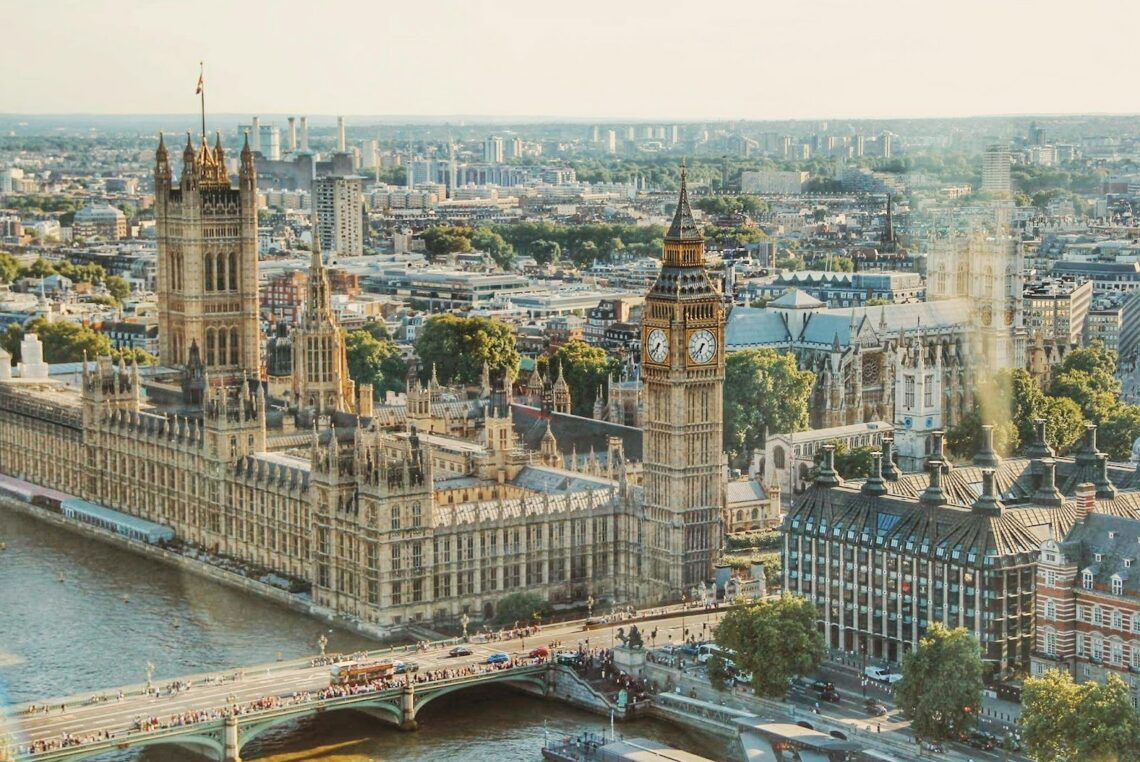
The last three decades of growth have played a part in transforming London from a fading city into the leading center of culture, finance, and technology that it is today. London, the city that has a history of over two millennia, can be rightfully called the world’s cultural capital, as it’s home to impressive heritage sites like the Palace of Westminster. Here’s how this metropolis has transformed within the last 25 years, making it more than just a postcard-perfect place.
A Data-Driven City
If it seems like the entire 21st century has been marked by data and technological advancements, that’s because it has been. The entire world now runs on data, which lets you calculate precisely how many minutes it will take you to reach your destination. How is this possible, you might ask? It’s through your road and vehicle data that’s fed to Google’s Artificial Intelligence systems.
21st-century Londoners are no strangers to data, technological advancements, and AI, as it’s remarkably seen through the creation of online casinos. UK-licensed online casinos are a big deal for Londoners, as they make it possible to access their favourite games without venturing to a land-based establishment – just another perk of the modern era.
Now, Londoners who are in favour of gambling can try their skills and probabilities no matter the place or time of day. You can read more on PokerStrategy UK to get an idea of the specifics surrounding online gambling in London, including games and bonuses available, but it should suffice to say that the city is quickly becoming a mecca for gambling enthusiasts.
It’s also becoming a capital of cities built on strong technological advancements, as can be seen through The Smart London Plan – a plan devised by the then Mayor of London, Boris Johnson.
The entire plan is built on a strong technology foundation, and it includes a bunch of data collected from CC cameras and sensors located in the city. For anyone interested in developing AI algorithms, this is the technology to turn to, as it’s the first-of-its-kind digital initiative.
A Digital-First Transport Revolution
As a city with millions of residents, commuting from one place to another can be pretty uncomfortable for an average Londoner. However, London’s government body in charge of public transportation—TfL—has ensured this doesn’t happen. Their idea is to be a digital-first business, which is why they have introduced digital cashless payments, eliminating the need to wait in long queues to purchase your ticket.
In the 21st century, it’s expected that you can use a digital wallet just about anywhere – to pay for lunch, during pool parties, and while purchasing public transportation tickets. But when the concept was first introduced by TfL, it was almost unfathomable that something that seemed so essential, like waiting in long lines, could be eradicated.
Another TfL invention that has changed the name of the game is their introduction of real-time traffic alerts to commuters. The only prerequisite for getting these alerts is to follow them on social media, such as Twitter (now called X), which serves millions of followers.
Modern Police Force
The London of the 21st century wouldn’t be the same without its top-notch police force, as it’s one of the city’s crucial elements. And just like many other elements of London’s systems, its police force also relies on technological advancements. In collaboration with Microsoft Azure, the city’s police manage to tap into millions of hours of footage that is recorded by cameras.
This innovative way of gathering evidence against the city’s most dangerous criminals came to be in 2016, marking a ground-breaking revolution that would put hundreds of guilty people behind bars.
Apart from integrating technology into their daily operations, London’s Police Department started another trend that has contributed to the city’s growth – their conscious attempts to get closer to the public. The city’s officials want people to know what’s going on in their department at all times. Better yet, they want people to feel comfortable collaborating with the police and helping them during investigations by providing missing pieces of evidence.
The Bottom Line
Any city in the world can utilize the technology available in the 21st century, but not every city chooses to do so. That’s the main difference between London and capital cities in other nations, as the former has fully embraced everything that comes with the digital transformation. By implementing modern technology into public transportation systems, roads, and even the police force, London has managed to become one of the most technologically advanced cities in Europe.
London is not done just yet. As the mayor says, London is still only halfway to its destination, so we can expect the city to keep making strides and becoming one of the most prestigious cities to live in on a global scale.