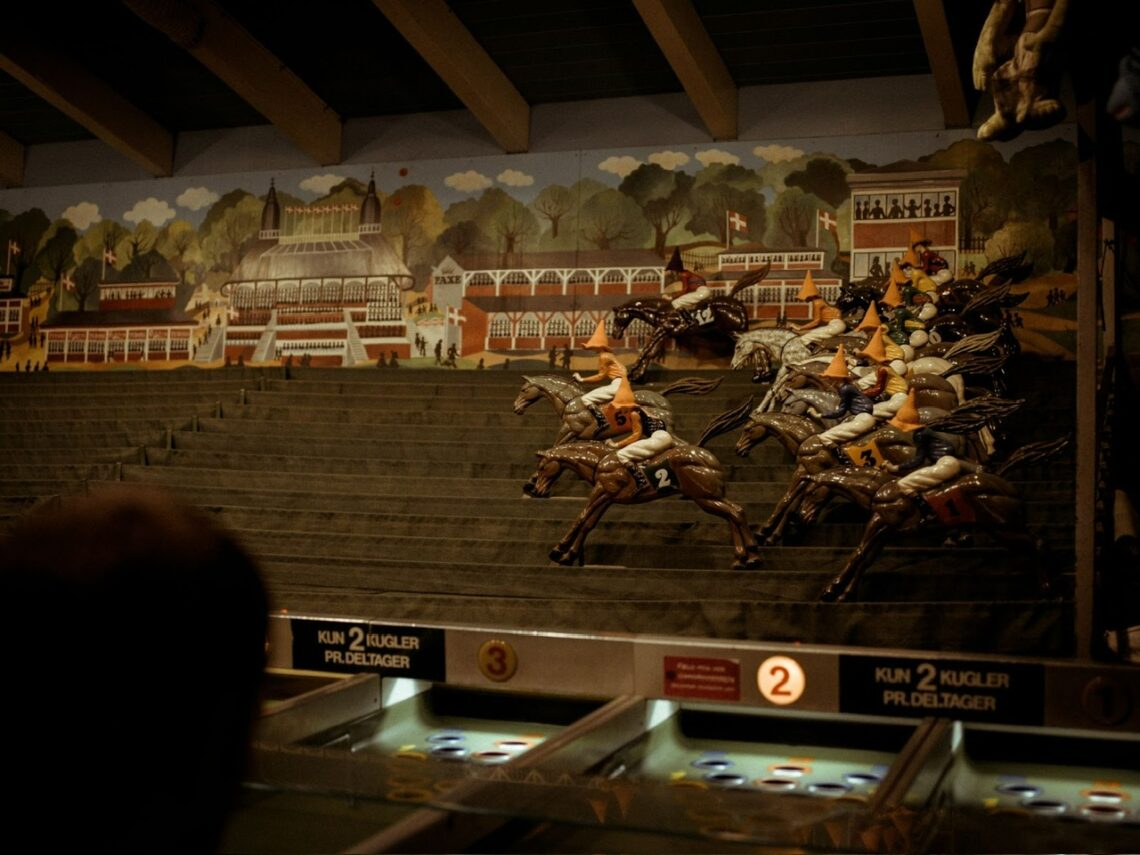
Beyond the Odds: Reading Between the Lines on a Racecard
Success in horse racing betting often hinges on more than a surface-level reading of form and odds. The racecard, often treated as a basic guide to runners and riders, contains a depth of information that many overlook. By identifying and understanding these subtle indicators, bettors can gain a sharper edge in evaluating potential winners.
Breeding Notes: Bloodlines Built for the Job
While casual punters may glance past breeding details, they are a critical component in assessing a horse’s suitability for specific race conditions. A horse’s sire and dam offer clues to likely aptitude for distance, going, and temperament. For instance, the progeny of Galileo often show stamina over middle distances, while the offspring of Dubawi may demonstrate versatility across varied ground conditions.
Vital information like this is not the end. Relevant and updated stats for horses, jockeys, and trainers are all part of racecards for the UK and Ireland, as well as the latest betting odds for races, which all come together to form the final image and prediction across the nation.
The pedigree analysis becomes particularly relevant in maiden or novice races, where there is little or no racecourse form to evaluate. In such cases, knowing that a horse hails from a family with a history of early success or excellence over the day’s trip can be a powerful pointer. While not definitive in isolation, breeding notes help form a contextual backdrop that complements other indicators on the racecard.
Track Preferences: Not All Courses Suit Every Horse
Course form—often summarised on a racecard by symbols such as “C” for course winner or “CD” for course and distance winner—offers more than historical trivia. Horses often exhibit preferences for certain tracks, like how Ascot prefers Shishkin, due to layout, gradient, or surface type. For instance, a horse that thrives on flat, galloping tracks like Newbury may not perform similarly on the undulating contours of Epsom or the sharp bends at Chester.
Furthermore, horses that have run well at the same venue under similar conditions, such as distance and going, should not be underestimated, even if their recent form elsewhere appears modest. A careful eye on how well a horse has adapted to specific track configurations in the past can reveal potential improvers or undervalued contenders.
Trainer and Jockey Patterns: Repetition as a Clue
Trainers and jockeys often develop consistent habits and partnerships that appear in small but revealing ways on the racecard. Some trainers target specific courses or events annually, suggesting a level of planning that goes beyond a horse’s immediate form. Some stay at specific hotels, like the Royal Horseguards hotel, or certain yards may prepare juveniles specifically for early-season two-year-old races or send older handicappers to courses where they have historically found success.
Regular trainer-jockey combinations are another useful indicator. A retained jockey or one who has chosen a specific ride over other options in the same race may reflect internal confidence. Moreover, some jockeys excel at particular courses or distances, and their presence in the saddle can tip the balance in tightly contested fields.
Days Since Last Run: Freshness or Fitness
The “days since the last run” column is easily missed but can carry significant weight. Horses returning quickly—within seven to ten days—after a good run may be “turned out quickly” to capitalise on favourable form. This is often a deliberate move by connections and may indicate the horse came out of its previous race in excellent condition. But sometimes, a wonder horse can appear with an unbeaten record, highlighting that it’s not always advisable to blindly follow numbers.
Conversely, horses off the track for extended periods may be returning from injury or may need a run for fitness. That said, some trainers excel with fresh horses, especially first time out in a season. Recognising patterns—such as a trainer’s record with seasonal debutants—can help refine the interpretation of this metric.
Headgear Changes and First-Time Equipment
The addition of headgear—blinkers, cheekpieces, or visors—is listed briefly on the racecard but can carry tactical implications. First-time blinkers, for example, often aim to sharpen a horse’s focus or resolve hanging tendencies. While the mere application does not guarantee improved performance, it signals intent to address a previously observed issue.
Weight Adjustments: More Than Just Numbers
While weight allocations are obvious, subtler variations, such as the use of claimers, can offer betting angles. A promising apprentice taking off five or seven pounds may provide a significant advantage, especially in handicaps where weight can be a decisive factor. Moreover, horses carrying penalties for recent wins may still remain well-treated if their prior performance was especially dominant.
Spotting the Unspoken Signals
Some racecards also list comments such as “wind surgery” or “gelded since the last run.” These signals, though understated, often mark significant changes in a horse’s profile. A horse returning after a medical procedure may show unexpected improvement, especially if previously underperforming despite good pedigree or conditions.
Gelding a colt can result in a more focused and manageable competitor, particularly in cases where immaturity or behaviour had previously undermined performance. These quiet updates are not just veterinary notes; they are strategic adjustments that can affect race-day outcomes.
Conclusion
A racecard contains far more than a list of horses and their odds. For those willing to study its hidden details, it becomes a tool of analysis and insight. Understanding its lesser-known signals can turn mere speculation into informed decision-making.