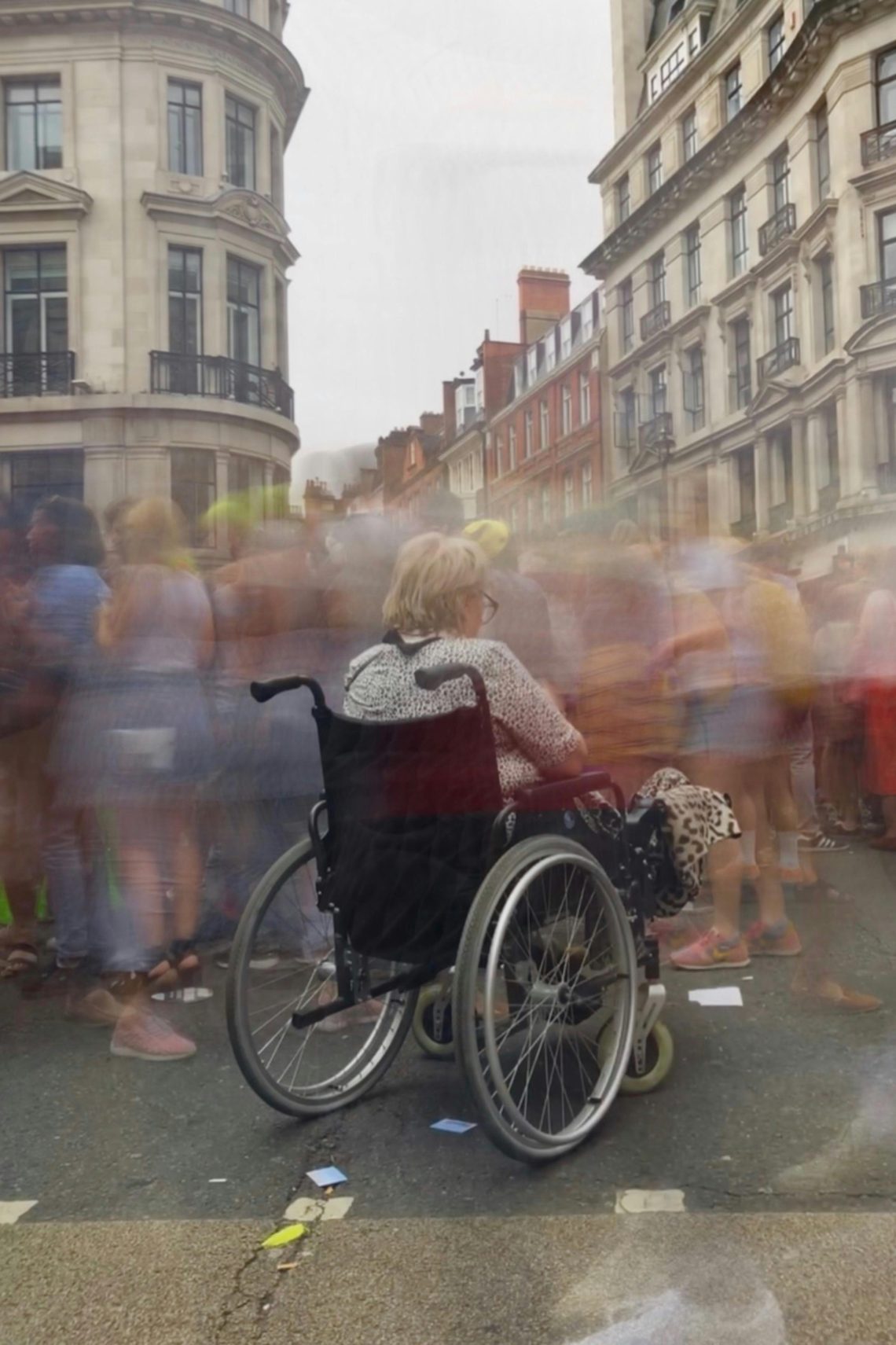
Getting Around London When Movement Feels Hard
London moves quickly. Buses, black cabs, cyclists and pedestrians share the streets throughout the day. For many residents and visitors, travelling across the city is routine. For wheelchair users and people with limited mobility, however, everyday journeys often require additional preparation. A short trip to the shops, a hospital appointment or a visit to friends may depend on whether accessible transport is available at the right moment.
Accessibility across London has improved over time. Many Tube stations now provide step-free access, and a large proportion of buses operate low-floor vehicles with deployable ramps. These changes have expanded mobility for many passengers. Even so, accessible routes are not available everywhere, and the practical experience of travelling through the city can still vary depending on location, time of day and the availability of suitable vehicles.
Understanding which transport options are dependable plays an important role in planning journeys. Public transport offers a wide network, yet fixed routes and infrastructure limitations mean that alternative transport methods remain necessary for some trips. In these situations, wheelchair accessible taxis often provide flexibility when step-free routes are unavailable or when time-sensitive travel is required.
Why London’s Transport Network Remains Challenging for Wheelchair Users
London’s transport system is one of the largest urban networks in the world, but much of the infrastructure developed long before accessibility standards became a priority. While newer stations include lifts and step-free routes, many older locations still present barriers. Platforms connected by stairs or long passageways can make transfers difficult for wheelchair users, particularly when travelling across multiple lines.
Major stations such as King’s Cross St. Pancras and Tottenham Court Road have undergone extensive redevelopment to include step-free access. Many interchange stations across the network still require passengers to follow complex alternative routes or rely on staff assistance, which is why understanding accessible public transport in London remains important for planning journeys across the city.
Bus services have introduced significant improvements in accessibility. Low-floor buses with ramps are now common across London, allowing wheelchair users to board directly from pavement level. Yet practical challenges remain during busy periods. Limited interior space can make boarding difficult when buses are crowded, and the level of support offered by drivers may vary depending on operational pressures.
Street-level infrastructure also affects travel. Narrow pavements, uneven surfaces and temporary construction barriers can limit movement across busy areas such as Soho or Borough Market. Even when transport connections appear accessible on a map, the surrounding environment may still present obstacles for wheelchair users navigating central London.
What Transport for London Provides for Accessible Journeys
Transport for London offers several resources designed to assist passengers with mobility needs. The TfL Journey Planner includes filters that identify step-free stations and accessible routes across the network. These tools allow passengers to check whether lifts are available and whether transfers between lines can be completed without stairs, with TfL introducing a Tube station lift fault reporting system to provide faster updates when lifts are out of service.
The introduction of the Elizabeth Line has expanded step-free access significantly. All central London stations on the line provide level access between trains and platforms, creating more reliable east-west connections through the capital. Stations such as Paddington, Bond Street and Liverpool Street now provide improved accessibility for passengers using mobility aids.
Dial-a-Ride provides a specialised door-to-door service for London residents who cannot use standard public transport. The service operates minibuses equipped to carry wheelchair users and offers an important option for passengers with complex mobility requirements. However, the service requires advance registration and booking, which means it may not always be suitable for spontaneous journeys.
Availability can also become limited during busy periods. When demand increases, booking slots may fill quickly. This limitation means passengers often need alternative transport options when travel plans change unexpectedly.
When Standard TfL Options Fall Short
Even with these accessibility improvements, certain journeys remain difficult to complete using fixed public transport routes. Dial-a-Ride services require advance scheduling, and availability may not align with urgent travel needs. Weekend and late-night transport services also operate less frequently across parts of the network, particularly in outer boroughs.
Areas such as Bromley, Havering and Hillingdon include fewer step-free stations compared with central London. Residents travelling from these districts may need to combine several forms of transport in order to reach accessible interchange points. This additional planning can extend journey times and introduce uncertainty when lift outages occur.
In these circumstances, flexible transport options become important. Wheelchair users often rely on vehicles that provide direct point-to-point travel without requiring transfers across inaccessible stations or crowded platforms.
How Wheelchair Accessible Taxis Fill Transport Gaps
When public transport cannot meet accessibility requirements, wheelchair accessible taxis provide a practical alternative. London’s licensed black cabs have been required to accommodate wheelchair users since 2000, when non-accessible taxis were phased out and the fleet became fully accessible. Passengers researching accessible taxi options often look for vehicles designed for wheelchair users, with ramps, secure restraint systems and interior layouts that allow passengers to remain safely seated during the journey.
Modern London taxis are designed with accessibility in mind. The well-known TX-series vehicles provide a wide door opening, an integrated ramp and interior space that allows wheelchair users to remain seated safely during travel. Secure restraint systems ensure the wheelchair remains stable throughout the journey.
In addition to standard black cabs, specialist wheelchair accessible vehicles operate across the capital. These vehicles, commonly referred to as WAVs, provide ramps, additional headroom and floor-mounted restraint systems designed to accommodate different types of mobility equipment.
Booking methods vary depending on the type of service used. Traditional black cabs can be hailed on the street or booked through taxi applications used across London. Specialist WAV operators often require advance booking to ensure a suitable vehicle is available at the requested time.
Fares follow the licensed tariff set by Transport for London, which regulates taxi pricing across the city. However, certain specialist services may include additional charges if vehicles travel longer distances to reach the passenger. Confirming fare details before booking helps ensure journey planning remains predictable.
Rights and Recourse When Drivers Refuse
Legal protections exist to support wheelchair users travelling by taxi. Under the Equality Act 2010, licensed taxi and private hire drivers in England must carry wheelchair users without additional charges and must provide reasonable assistance when required. Drivers must also allow wheelchair users to remain seated in their wheelchair during the journey if this is the passenger’s preference.
Refusing a wheelchair user without lawful justification is considered a criminal offence. Transport authorities take these cases seriously, and penalties may include fines or licence suspension.
Passengers who experience issues with taxi services can report the incident to Transport for London’s taxi and private hire complaints service or their local licensing authority. In cases involving illegal operators, passengers can also report an unlicensed taxi in the UK through the official GOV.UK reporting system. These reporting channels help authorities investigate incidents and maintain consistent standards across London’s taxi network.
Planning Accessible Routes Across Different London Zones
Accessible travel in London often depends on careful route planning. Central areas provide the highest concentration of step-free stations, with Zones 1 and 2 offering the most consistent accessibility infrastructure. The Elizabeth Line has strengthened connections across these districts, allowing wheelchair users to travel across central London with fewer transfers.
Outer zones require more preparation. Journeys may involve combining rail services, buses and wheelchair accessible taxis to complete a route. Each stage of the journey should be checked to confirm step-free access where needed.
TfL’s Journey Planner accessibility filter helps identify step-free routes and estimated travel times. Passengers can also check lift availability before travelling, as occasional outages can affect accessible connections.
Community platforms such as Wheelmap provide additional information about accessibility conditions at specific locations, helping passengers plan the beginning and end of a journey more effectively.
Moving around London should not depend on physical ability. While the city has made significant progress in improving accessibility across its transport network, practical challenges still appear during everyday journeys. Combining public transport planning with reliable alternatives such as wheelchair accessible taxis helps ensure that mobility remains possible even when infrastructure limitations arise. With the right options available, travelling across London becomes more predictable and inclusive for everyone.


