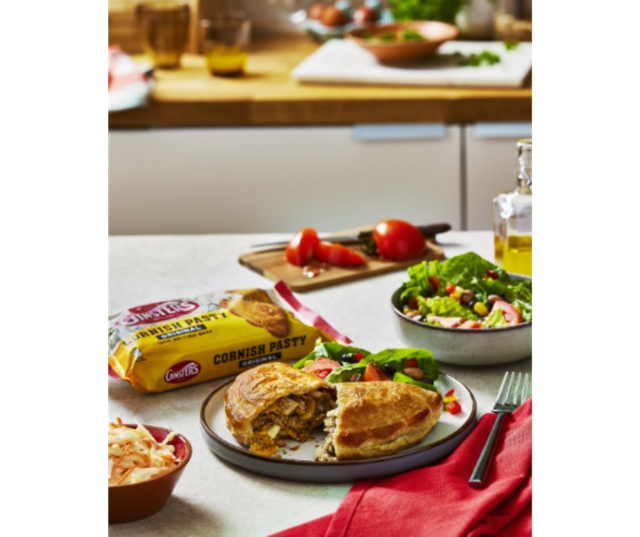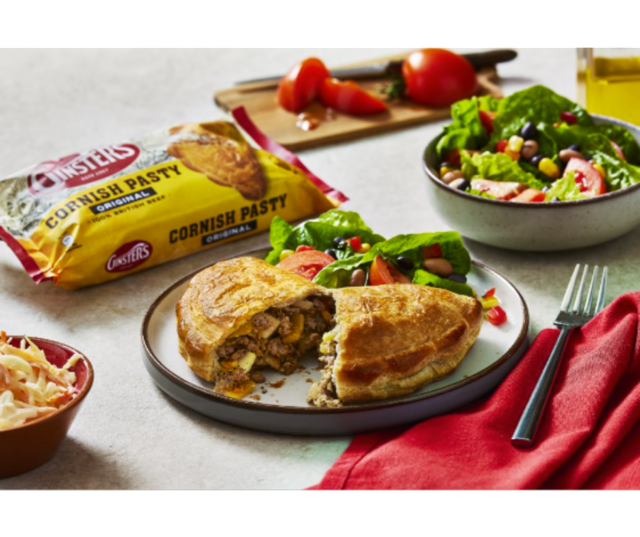
Ginsters’ reveals 10 surprising facts about Britain’s favourite bake for Cornish Pasty Week
This Cornish Pasty Week (23 Feb to 1st March) Ginsters – the maker of the nation’s favourite Cornish Pasty – is lifting the lid on the traditions, hidden rules and flavour-defining details that ensure every bite tastes exactly as it should.
Britain’s love affair with the Cornish Pasty shows no sign of cooling – with 29 million Ginsters Original Cornish Pasties sold in the past year alone, proving the humble pastry remains a staple in shopping baskets nationwide.
To celebrate Cornish Pasty Week Ginsters’ Senior Development Chef, Will Gamble, reveals the top 10 surprising facts about Britain’s favourite bake.Did you know there’s even a global championship dedicated to the pasty or that Henry VIII may have been a fan of Cornish Pasty.
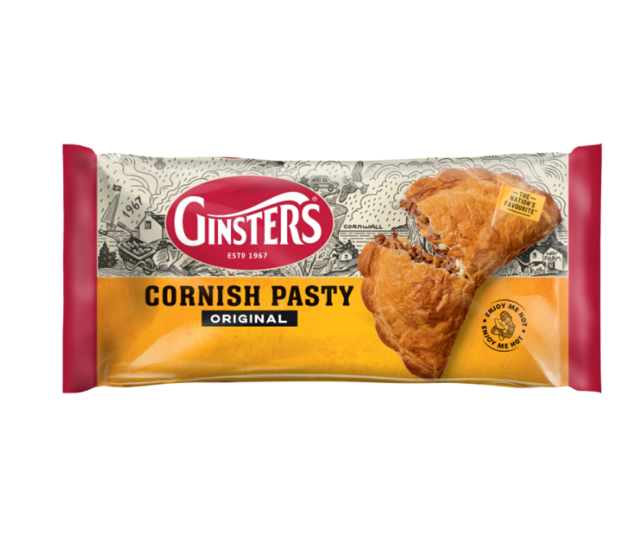
The top things you (probably) didn’t know about Cornish Pasties:
- It was Britain’s original “meal deal” – Long before supermarkets coined the phrase, the Cornish Pasty was deliberately crafted as a complete, portable meal – hearty, dependable and built to keep hardworking miners going for hours. Some even paired savoury filling with a sweet apple end – proof that taste, balance, practicality and satisfaction were being carefully designed even centuries ago.
- The Cornish Pasty has protected status The traditional Cornish Pasty has held UK Protected Geographical Indication (PGI) status since 2011 – a move designed to protect both its reputation and regional identity. This ensures that when consumers pick up a traditional Cornish Pasty, they’re tasting a product shaped by history, place and craftsmanship.
- The orange veg isn’t carrot – One of the most common misconceptions about authentic Cornish pasties is that the orange vegetable inside is carrot, when in fact, it’s swede, chosen for its gentle sweetness and ability to soften beautifully during baking, enriching the filling and complementing the beef’s savoury depth. In fact, as part of its UK Geographical Indication (GI) protected status, to be called a Cornish Pasty, it must be made in Cornwall and contain only beef, potato, onion and swede. Carrots are strictly forbidden, and including them means the pasty cannot qualify for protected status – standards designed to safeguard the distinctive flavour profile that has kept the nation coming back for generations.
- Potato size is measured in millimetres. Bakers typically aim for pieces around 5-10mm, with very little room for error – go much larger and the potato risks staying too firm; cut it smaller than roughly 5mm and the filling loses its satisfying bite. In many bakeries, anything outside these margins simply won’t make the cut. It’s a level of precision most shoppers never see, but one that quietly shapes texture, balance and overall eating experience – proof that when it comes to taste, even the smallest details matter.
- Seasoning over centuries– While pasties have existed since the 13th century, the earliest known Cornish recipe – recorded in a 1746 letter by Jane Barriball of Launceston – paints a very different picture from the one we know today. Alongside salt and pepper, the recipe called for warming spices such as mace, cloves and allspice, suggesting that early pasties were far more heavily seasoned than their modern counterparts. Today, Traditional Cornish pasties are seasoned with a simple mix that includes salt and pepper, while stronger spices are generally avoided to protect the distinctive flavour, quality and heritage that define Britain’s most iconic bake.
- A crimp designed for purpose – and perfected for flavour Originally created as a handle for tin miners with dirt-covered hands, the crimp now plays a crucial culinary role. The tightly sealed edge locks in heat like a pastry steam chamber, intensifying flavour and helping create the satisfying bite people expect. Authentic Cornish Pasties are always crimped along the side – a technique that strengthens structure, ensuring even baking and preventing leaks. Another example of how time-honoured methods continue to protect the taste, quality and reliability that pasty lovers expect.
- Pasties should be held and eaten diagonally It turns out there’s a technique to enjoying Britain’s favourite bake. “Always go for the corner first,” says Chef Will. “Hold the pasty with the corner facing up and the filling stays exactly where it should be. Turn it the wrong way and you risk losing it.”
- Timing is everything Ginsters’ Original Cornish Pasty is typically baked for 26 minutes and 15 seconds to achieve that signature golden pastry. Timing is carefully controlled to ensure the filling cooks evenly while the pastry stays crisp. It’s this attention to detail, applied at every stage of the baking process, that allows Ginsters to deliver the consistent taste and quality consumers have come to expect.
- There’s an association dedicated to protecting the Cornish Pasty – The Cornish Pasty is safeguarded by the Cornish Pasty Association – the official body responsible for protecting the traditional recipe and ensuring producers meet strict authenticity standards. From approved ingredients to time-honoured techniques, the association plays a central role in upholding the quality and consistency of this iconic bake. Alongside this, its community fund raises money to support cooking and Cornish pasty-making in schools across the region, helping inspire future generations of pasty makers and secure the craft for years to come.
- There’s even a global championship dedicated to pasties – Each year, makers of the humble bake gather at the renowned Global Pasty Championships to compete across multiple categories – from fastest crimp to best-tasting traditional Cornish Pasty. This year’s global championship Taking place on the Saturday, 28th February, the day before St Piran’s Day – the national day for Cornwall – this year’s Global Pasty Championships will take place in The Lost Gardens of Heligan, home of the first ever written record of the Cornish Pasty recipe. The event celebrates craftsmanship, skill and innovation, highlighting just how much pride and expertise sits behind this seemingly simple product.
Feeding Britain for centuries, the iconic bake has long been part of the nation’s culinary history – with historians believing even Henry VIII counted himself as a fan. Some food experts also suggest Cornish miners may have helped inspire the empanada after taking their pastry-making traditions overseas, highlighting just how far the influence of the humble bake has travelled.
Ginster’s is proof that when heritage, effort and quality come together, taste does the talking. Now, I’m craving a Cornish Pasty!