At Home with Nima: Soho Restaurateur Nima Safaei Announces Debut Cookbook
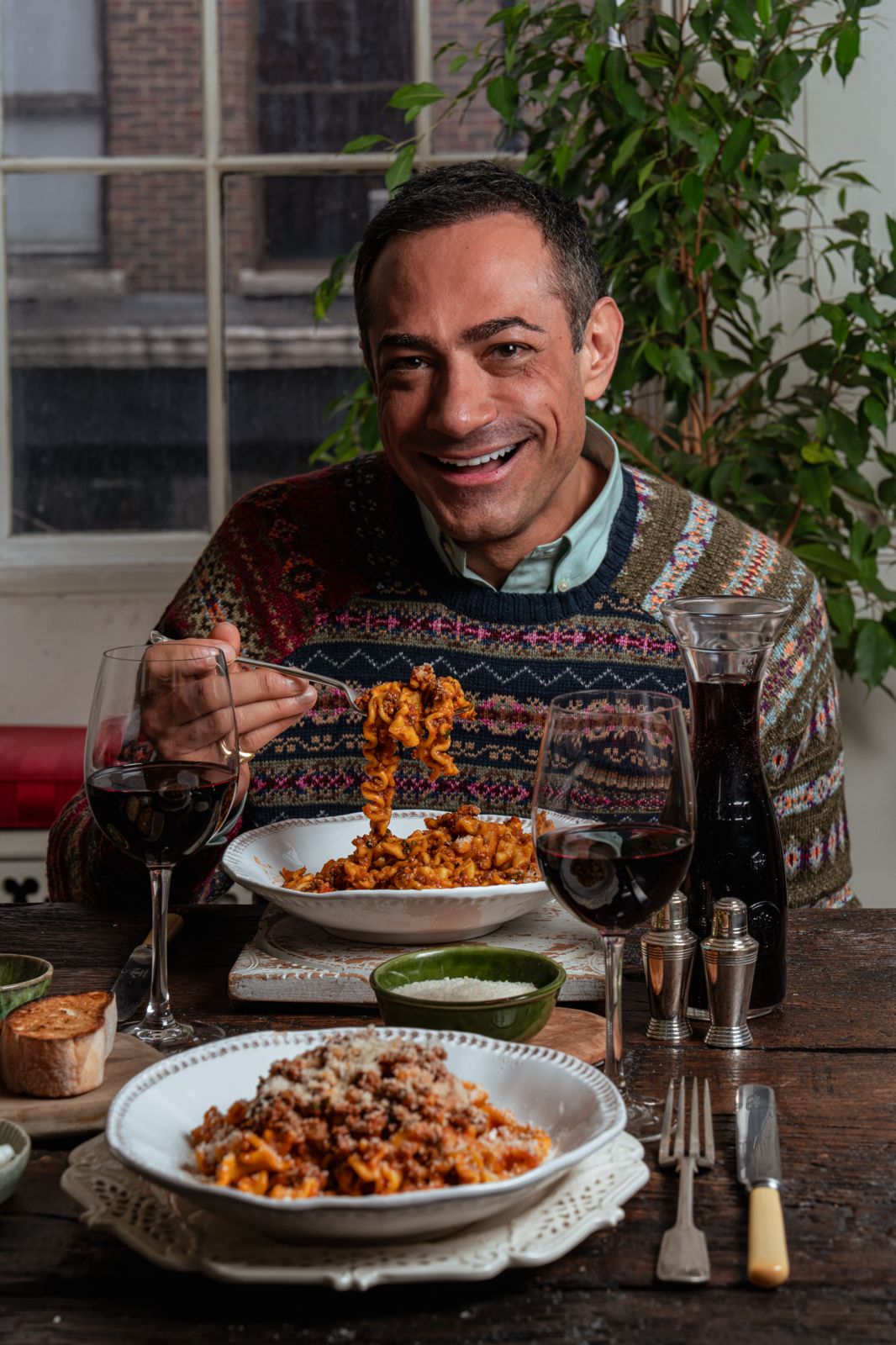
Renowned Soho restaurateur Nima Safaei, the founder behind some of Soho’s most beloved Italian dining destinations, is set to release his highly anticipated debut cookbook, “At Home With Nima”, in summer 2026.
Rooted in a philosophy of “simple and fresh Italian food,” the book unfolds as a full year in Safaei’s life, capturing the rhythm of the seasons through the dishes he cooks for family and friends. From generous Easter feasts to relaxed summer picnics at Henley Regatta, cosy weekends in the country, and the heartier fare of the shooting season, each chapter is anchored in key moments of the calendar.
Blending personal storytelling with recipes drawn from both his restaurants and home kitchen, it offers an intimate portrait of how food shapes and celebrates the passing year.
A Story of Culture, Connection, and Cuisine
“At Home With Nima” is more than a cookbook; it is a reflection of Safaei’s life and the cultural influences that shaped his approach to food. After moving to London as a child, he was exposed to a world of cuisines, but it was his first taste of ossobuco that sparked a lasting passion.
That passion deepened through time spent in Florence, where visits to his sister immersed him in the city’s food culture – from lampredotto to ribollita and tagliatelle al cinghiale – revealing the depth behind Italy’s seemingly simple cuisine. Learning from local cooks shaped his respect for tradition, and for Safaei, cooking Italian food is not about nationality, but about dedication, curiosity, and a genuine love of the craft.
Alongside these influences, the kitchen has always been at the heart of his family life. His late mother, an exceptional cook, left a lasting impression through the care and generosity she expressed in her food. Though he lost her at a young age, that sense of warmth and connection remains central to his cooking, and is something he strives to share with others.
“When I first tasted osobucco, I felt like I had found my home from home”, says Safaei. “To put it simply, I have a strong passion for classic Italian recipes and dedicated myself to learning them properly. Geography should never be an obstacle to pursuing what you truly believe in. Alongside that, the kitchen has always been the heart of my family.”
From Soho Restaurants to the Home Kitchen
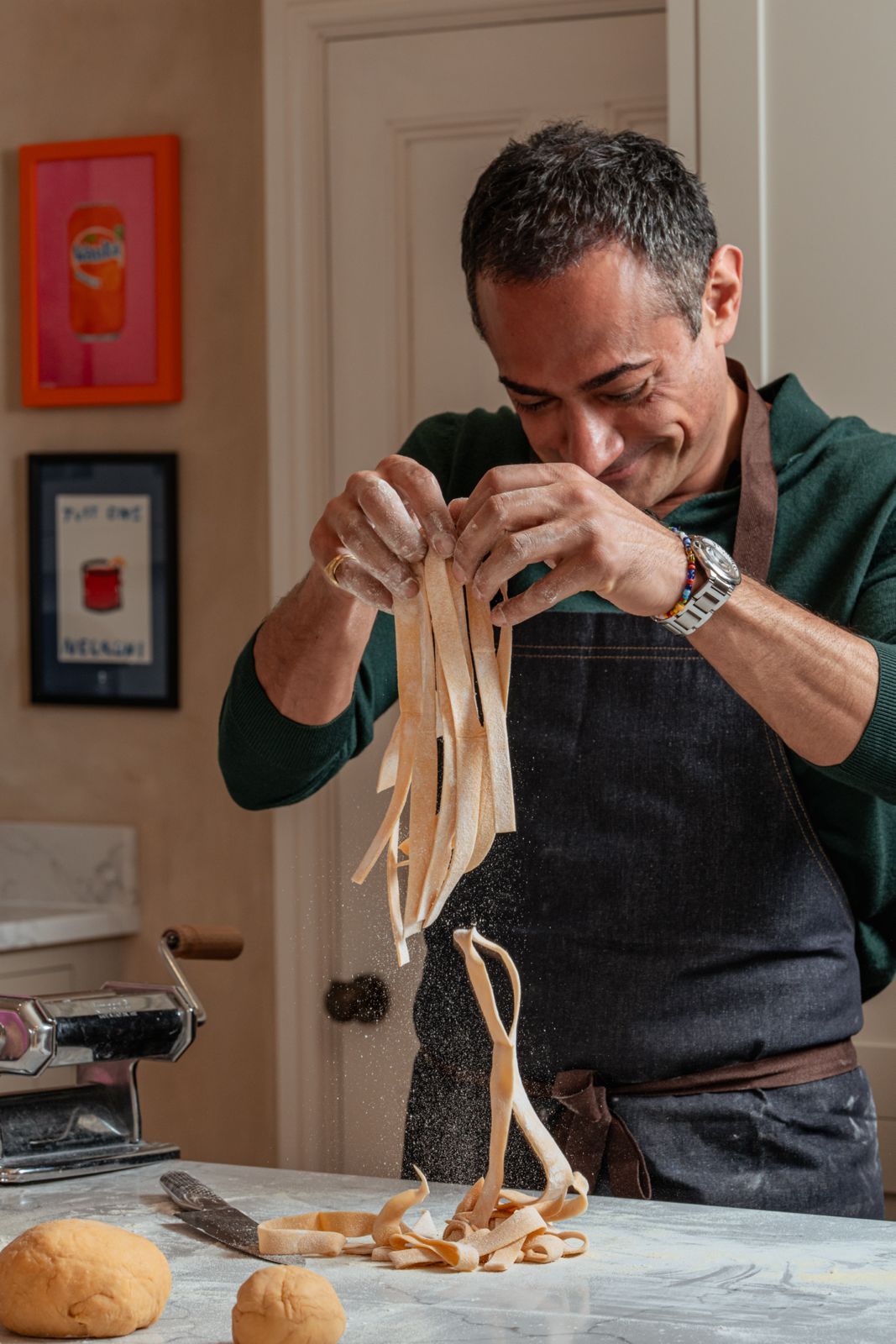
Since opening Forty Dean Street in 2009, Safaei has built a loyal following with his honest, ingredient-led approach to Italian cooking. The success of the restaurant led to the expansion of his Soho portfolio, including 64 Old Compton Street and 27 Old Compton Street – each bringing its own character while staying true to the same philosophy.
With At Home With Nima, Safaei brings that ethos beyond the restaurant and into readers’ kitchens. The book captures the spirit of his dining rooms: warm, welcoming, and centred around sharing.
Recipes Designed for Real Life
The cookbook features a curated collection of recipes that have been refined over years of professional cooking and personal gatherings. From comforting classics to subtle reinterpretations, dishes include:
- Pappardelle with blue cheese, pear and walnut pangrattato
- Ham and artichoke lasagne
- Roasted game with squash salad, orzo and sage
- Beetroot, bean and hazelnut salad
- Pistachio tiramisu
Each recipe reflects Safaei’s belief that great food does not need to be complicated to be memorable. Instead, the focus is on quality ingredients, thoughtful preparation, and adaptability for home cooks.
A Philosophy of Simplicity
At the heart of the book is Safaei’s guiding principle: simplicity as discipline. Rather than reinventing Italian cuisine, At Home With Nima honours tradition while allowing space for personal expression.
“Simple does not mean careless,” Safaei explains. “It means intentional. When ingredients are at their best, you don’t need to overwork them.”
Seasonality plays a key role throughout the book, encouraging readers to cook in rhythm with the year – from fresh spring vegetables such as a Pea and Mint Risotto to slow-cooked winter dishes like a Venison mafalda with black truffle.
The book ultimately invites readers to create their own traditions, offering dishes that are meant to be shared, adapted, and remembered.