
Digital Entertainment Trends Across Asia in 2026
Digital Entertainment Trends Across Asia in 2026
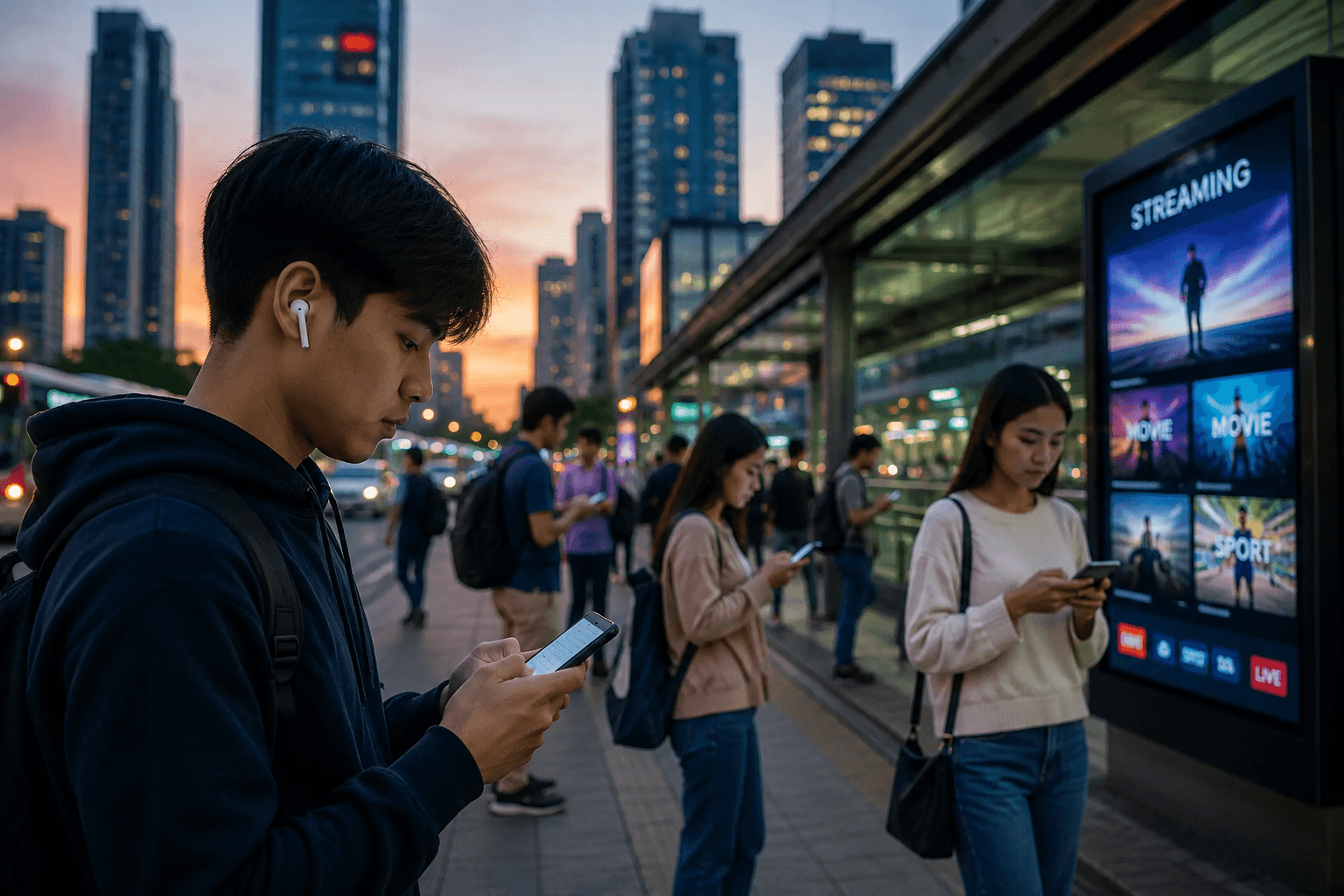
Not long ago, most online entertainment revolved around a desktop computer and a stable home internet connection. Today, the picture looks completely different. Across Asia, people watch live sports on their phones while commuting, stream movies during lunch breaks, and join online communities from virtually anywhere.
Indonesia reflects this shift particularly well. With millions of people relying on smartphones as their primary device, digital entertainment has become woven into everyday routines. Whether someone is following a football match, watching short-form videos, or exploring new apps, convenience often matters more than ever before.
What makes the current moment interesting is not just the technology itself but how quickly user habits continue to evolve. New platforms appear every year, yet the services that succeed tend to share a few common traits: simplicity, accessibility, and an ability to keep users engaged without making the experience feel complicated.
Why Digital Entertainment Continues to Grow
The growth of digital entertainment across Asia did not happen overnight. A decade ago, streaming a high-definition video on a mobile phone could be frustrating in many areas. Today, the experience is dramatically different.
Better internet infrastructure, affordable smartphones, and the popularity of digital payment systems have made online services available to a much wider audience. At the same time, younger users have grown up with technology as a natural part of daily life. They expect instant access to content, whether they are watching a football match, listening to music, or joining an online discussion.
In Indonesia, smartphone penetration crossed 70% of the adult population by 2025. In Pakistan and Bangladesh, mobile devices account for over 80% of internet sessions. These are not emerging markets anymore – they are mobile-first markets where desktop is the exception, not the norm. 5G rollout in urban centers across Southeast Asia has reduced buffering times enough to make live sports streaming viable on a mass scale, which directly changed how platforms compete for attention.
Regional Digital Trends Across South and Southeast Asia
The gap between regional averages and country-level reality is where most generalizations about Asian digital markets fall apart. A trend visible across Southeast Asia as a whole may be driven almost entirely by Indonesia – which accounts for a disproportionate share of the region’s internet users. Similarly, South Asian mobile growth statistics often reflect India’s scale more than conditions in Pakistan or Bangladesh, where infrastructure, device availability and content preferences follow different patterns.
Cricket in South Asia is not just a sport – it is one of the strongest drivers of mobile traffic in the region. During major tournaments, platform traffic spikes are measurable and predictable, which is why services competing for this audience invest heavily in live coverage and low-latency streaming. When Pakistani users compare options in this space, 1xbet pakistan appears consistently in those discussions, largely because of its live sports coverage and support for local payment methods.
Bangladesh presents a different profile. Mobile internet adoption has grown quickly, but the infrastructure reality means users are selecting apps based on performance under constrained conditions – not on feature lists. The 1xbet app bangladesh gets attention in this market specifically because it was built around the technical limitations most users actually face, rather than assuming connectivity standards that do not yet exist outside major cities.
What Users Value Most in Digital Platforms
In markets where data costs still matter, platform performance is not a secondary concern – it defines whether an app survives on a user’s device. Key differences by market:
- Bangladesh: average mobile speeds sit below regional averages, so lightweight apps with offline functionality retain users that data-heavy platforms lose within the first week
- Pakistan: users switch between platforms during live cricket matches, which means real-time updates matter more than interface design or feature depth
- Indonesia: retention rates are noticeably higher on platforms that support local payment methods like GoPay or OVO compared to those requiring international card options
These are not edge cases – they are the baseline expectations users bring to every platform they try. Services that treat them as optional adjustments tend to lose ground to those that build around them from the start.
Digital Entertainment Preferences Across Asia
Different markets continue to demonstrate distinct entertainment habits. The following table highlights some common preferences observed across the region.
| Region | Most Popular Activities | Preferred Devices |
| Indonesia | Football content, mobile gaming, streaming | Smartphones |
| Pakistan | Cricket content, sports updates, streaming | Smartphones, tablets |
| Bangladesh | Mobile entertainment, social media, video content | Smartphones |
| India | Streaming platforms, gaming, sports engagement | Smartphones, Smart TVs |
| Southeast Asia | Video streaming, gaming communities, social media | Smartphones |
Despite regional differences, one trend remains consistent: mobile devices dominate how people consume digital content.
Emerging Technologies Shaping the Future
AI recommendations are already the default in most major platforms – the question is no longer whether they exist but how well they are calibrated to local content libraries and languages. A recommendation engine trained primarily on Western viewing habits performs noticeably worse for users in Indonesia or Bangladesh, where content preferences and browsing patterns differ significantly. According to Forbes, AI-driven content discovery is reshaping how users navigate large digital ecosystems – a shift particularly relevant in markets where local-language content competes with international platforms for the same screen time.
VR and AR remain limited to early adopters in most Asian markets. Hardware costs and infrastructure requirements keep them out of reach for the majority of users – though this changes faster in urban centers with 5G coverage.
Cloud services have quietly shifted user expectations around device loyalty. Picking up a session on a different device mid-way through is now an expectation, not a feature. Platforms that still tie content to a single device are losing users to those that do not.
Conclusion
Digital entertainment in Asia is not moving in one direction – it is fragmenting. Different markets are developing at different speeds, around different content types and different devices. What works in India does not automatically translate to Indonesia or Bangladesh.
Local adaptation is not a competitive advantage in these markets – it is the entry requirement. A cricket app that ignores Pakistani payment infrastructure will not compete with one that supports Easypaisa. A streaming service that drains data in Bangladesh loses to a lighter alternative before the first week ends.
The platforms gaining ground across Asia are not the ones with the longest feature lists. They are the ones that made deliberate choices about which three things to do well in a specific market – and built everything else around that.


